а так же для использования воды в качестве рабочего вещества для образования пара, который выталкивает ракету из ПУ.
Винаги съм си знаел (ама така, вътрешно, за себе си..) че за изтласкването на ракета от контейнер се използва газ-генератор. Тук какво искат да кажат, че пълнят вода и чакат да се загрее за да стане парата ли ? Аз ли не вдявам или ....
Според Аарон/Джейв за подготовка на пуск на ракета, на руснаците им отнемало до 20 мин. при по-старите подводници, и ако не се лъжа до 7-8 мин. при по-новите. Това от началото на отваряне на люковете на шахтите. Нещо свързано с нагряването на водата вероятно


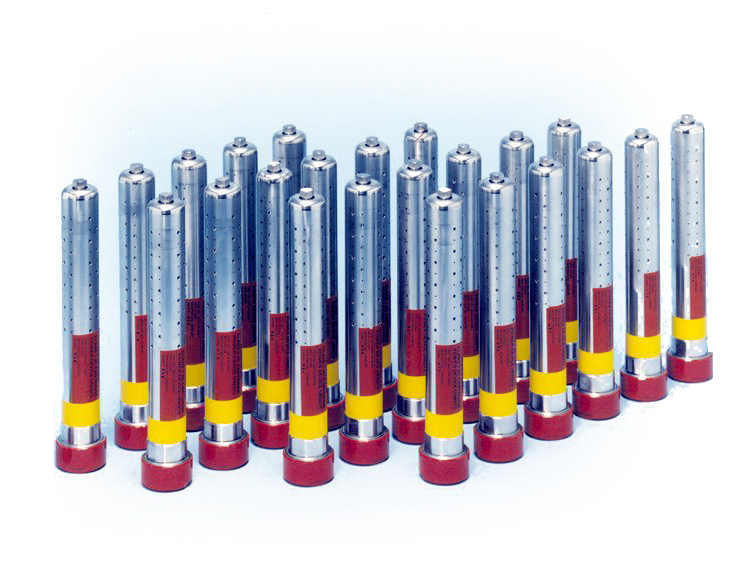
Gas Generators and Dispensing Systems
General Dynamics Ordnance and Tactical Systems has decades of years of experience in the design, testing, and fabrication of solid propellant gas generators and associated dispensing/ejection systems for military, space, and commercial customers.
General Dynamics Ordnance and Tactical Systems has delivered gas generators ranging in propellant charge weights of a few milligrams up to several pounds. We offer complete and fully integrated design, analysis, fabrication and test capabilities with proven program experience spanning the complete range of munitions, delivery vehicles and deployment systems.
https://www.gd-ots.com/propellant-and-p ... t-systems/
https://news.northropgrumman.com/news/r ... l-flexibleA key part of this system -- the solid propellant gas generator -- was successfully tested Dec. 18 at Alliant Techsystems (NYSE:ATK) facility in Elkton, Md. ATK supplies the gas generator, and Raytheon Company (NYSE:RTN) participated as the team's lead for interceptor development.
"The gas generator provides the energy needed for steam- or gas-launched missiles that will give KEI a land-based defensive capability that could be transitioned easily to sea-based platforms," noted Anthony Spehar, vice president and KEI program manager for Northrop Grumman's Space Technology sector. "The test measured chamber pressure, temperature and propellant burn duration, all of which were within expectations."
Northrop Grumman is developing the cold-launch system for KEI based on those it has supplied for U.S. Navy submarines since the 1950s as well as those used on silo-based Peacekeeper intercontinental ballistic missiles. That work is underway at company facilities in Sunnyvale, Calif.
"Eject or cold launch technology is a proven approach used on Navy submarines for many years," Spehar noted. "Using this very safe technology, we can launch large or highly energetic missiles, such as KEI, because only a small amount of propellant is needed to eject the interceptor compared with igniting the first stage rocket motor."
Featuring the U.S. Missile Defense Agency's newest high-acceleration booster, KEI's launch system is designed to eject an interceptor about 200 feet in the air before the first stage rocket motor ignites. For KEI, about 70 pounds of propellant is ignited in the gas generator to eject the approximate 25,000-pound missile.