
Ехографите били за бременни, всяка детска учителка от Столипиново е на същото мнение въпреки, че е вярно на ... 5%. Както и да е, да не се отвличаме с акушерски въпроси.Обикновен лаик написа: ↑26 Апр 2022, 01:44
Ехографите май бяха за бременни. И въобще - медицински уред.
По темата два интересни и актуални доклада:
What if? The Economic Effects for Germany of
a Stop of Energy Imports from Russia
https://www.econtribute.de/RePEc/ajk/aj ... 8_2022.pdf
The Economic Consequences of a Stop of Energy Imports from RussiaThis article discusses the economic effects of a potential cut-off of the German economy
from Russian energy imports. We show that the effects are likely to be substantial but
manageable. In the short run, a stop of Russian energy imports would lead to a GDP
decline in range between 0.5% and 3% (cf. the GDP decline in 2020 during the pandemic
was 4.5%).
https://www.cae-eco.fr/staticfiles/pdf/cae-focus084.pdf
This Focus provides an estimation of the effect of a Russian stop of energy imports. The
main results are as follows:
The impact for France would be modest, with a decline of around 0,15 to 0,3% in
gross national income.
For Germany, the negative impact on gross national income isreal (around 0.3% and
up to 3% in the most pessimistic scenarios) but overall moderate and can be
absorbed.
The same is true for the EU as a whole, although there is significant heterogeneity in
the magnitude of the shock across countries.
For some EU countries, the consequences are much greater: Lithuania, Bulgaria,
Slovakia, Finland or the Czech Republic may experience national income drops of
between 1 and 5%.
These estimates take into account cascading effects along production value chains
in a model with 30 sectors and 40 countries. Despite the imprecision of this type of
simulation exercise, the orders of magnitude appear very robust: we can rule out
with a high degree of confidence a scenario of a GDP collapse of more than 1% for
France, for example.
The relatively low impact of an embargo (except for the aforementioned countries)
can be explained by the fact that, even in the short term, companies and the
economy as a whole can substitute (even very partially) sources of energy to others
and intermediate or final goods to others. The analysis of historical experiences of
very strong shocks (Fukushima in Japan or COVID in China) with potential effects
along production value chains also shows that individual companies and the
economy are able to minimize the impact of the shock. This substitution, even
though it is very partial, helps to very significantly mitigate the impact of the shock,
compared to a scenario where the entire production and consumption structure is
fixed.


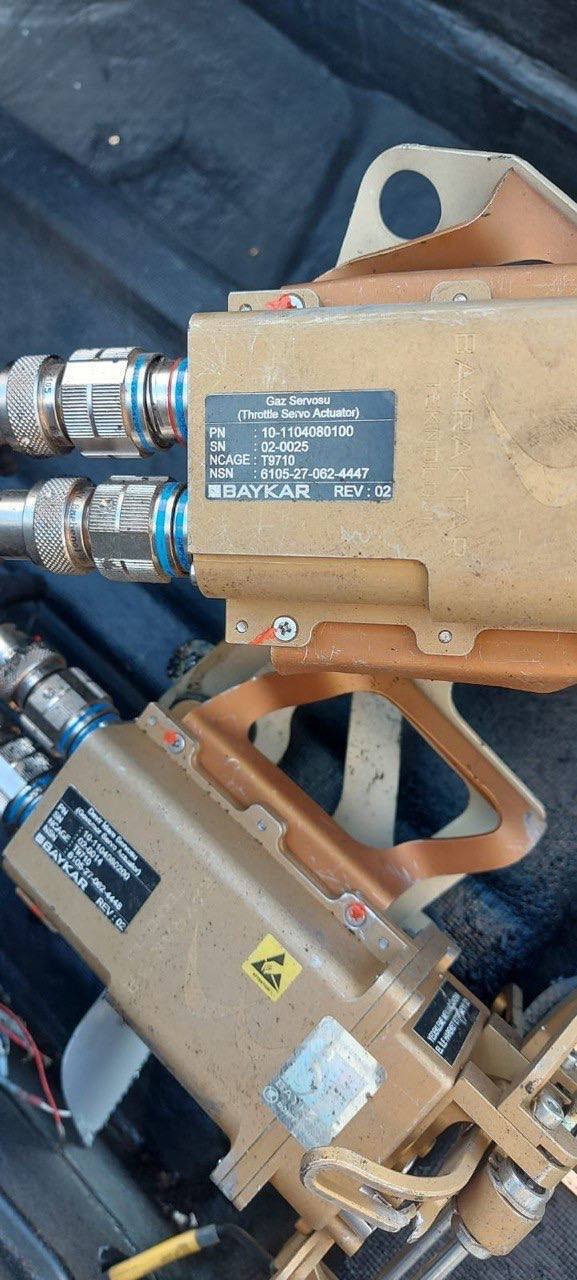

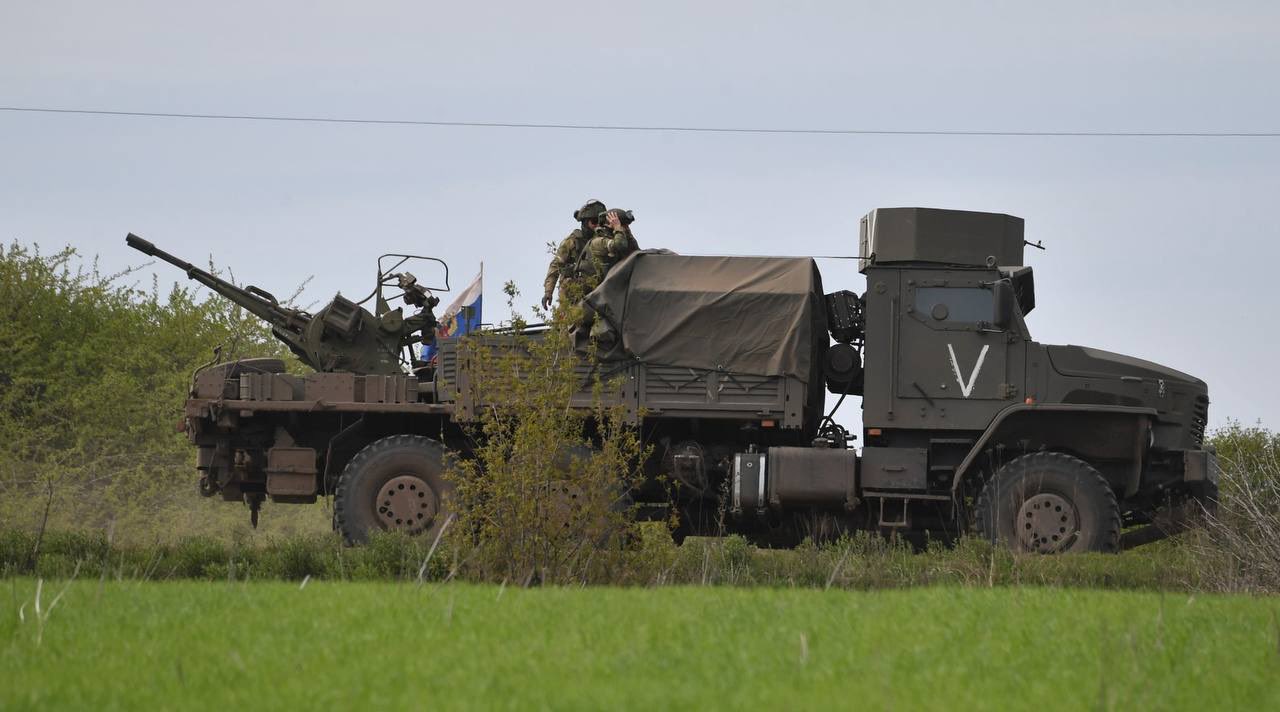


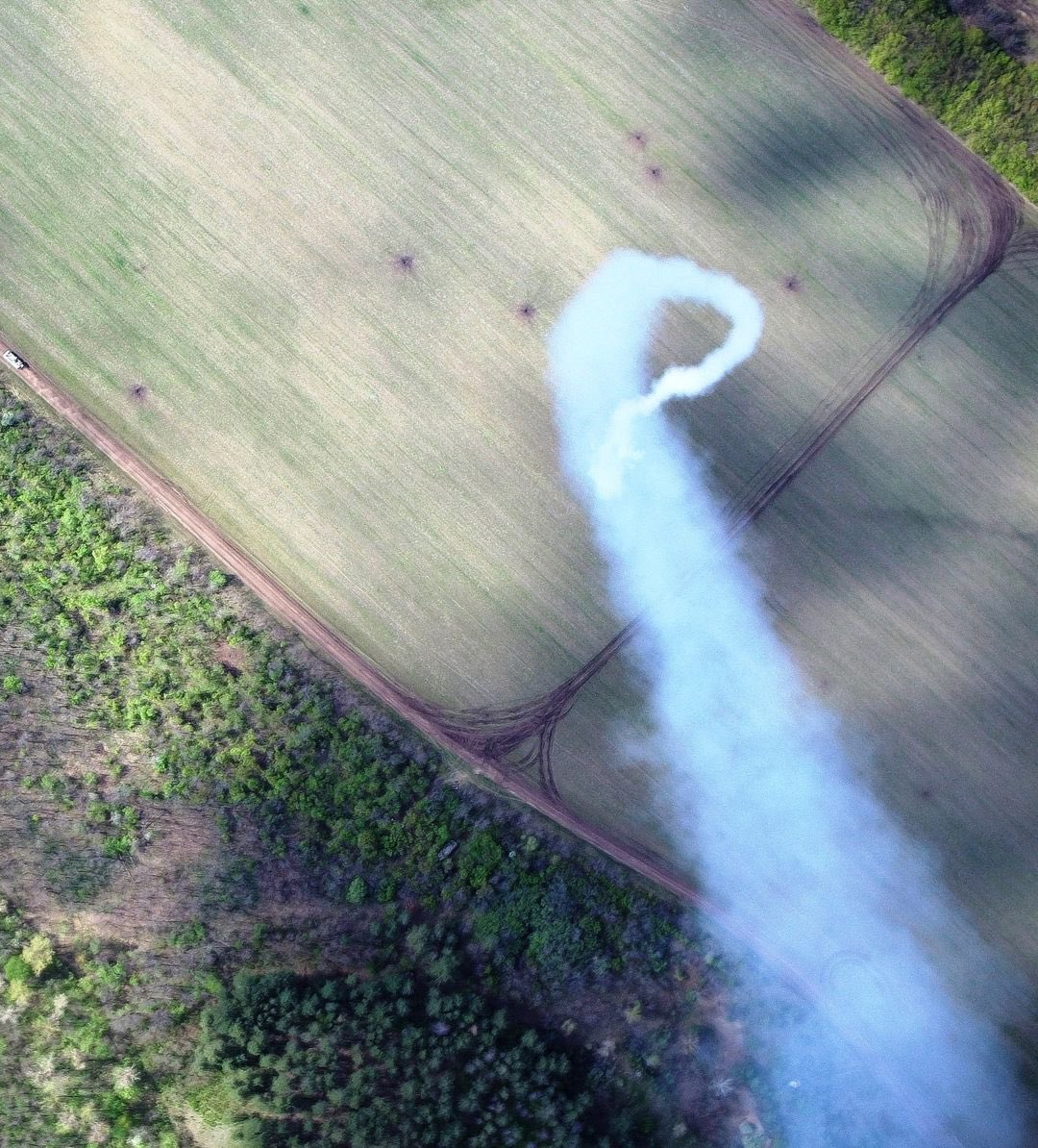
 Russian MANPADS shot missed its target, pictured by the Ukrainian АСУ-1 "Valkyrie" UAV that survived the incident.